

Aerial security and intelligent perimeter
The perimeter answers first
Surveillance from height, alarm-triggered deployment and live visual and thermal verification. When an alert fires, the system identifies the sector, checks flight conditions and sends the aircraft to the area of interest.
Catalogue and commercial offer · 2026
From sensor to alarm point
We integrate motion sensors, thermal cameras and fixed video with an aerial layer. The security team gets perspective from height, thermal verification of the difficult spots and a record of the incident, and coordinates the ground response on information rather than assumptions.
-
01
Detect
Motion, fixed thermal, radar or video analytics raise the alarm and the sector.
-
02
Filter
Software applies priority rules, weather, battery, route and geographic limits.
-
03
Deploy
The programmed mission takes the aircraft to the authorised sector, under supervision.
-
04
Verify
Live visible and thermal video allow people, vehicles or anomalies to be assessed.
-
05
Act
The control centre sends context to the response team and logs the event.
-
06
Return
The aircraft returns to base, recharges and becomes available again after checks.
Alarm dispatch is automated within the approved mission plan and remains under operational supervision.

Where it earns its place
Villas, gated developments, resorts, industrial sites, energy facilities, logistics and construction with long perimeters. The longer the perimeter, the more expensive it is to walk and the longer someone takes to reach the right point.
The fixed alarm layer
The aerial layer does not replace sensors: it finishes their job. Each sensor is tied to a zone of the operational map, and it is that position that directs the aerial dispatch.
-

Motion detection
Indoor detectors with curtain mode and up to 24 m of range. For outdoor use a dedicated perimeter detector is selected.
-
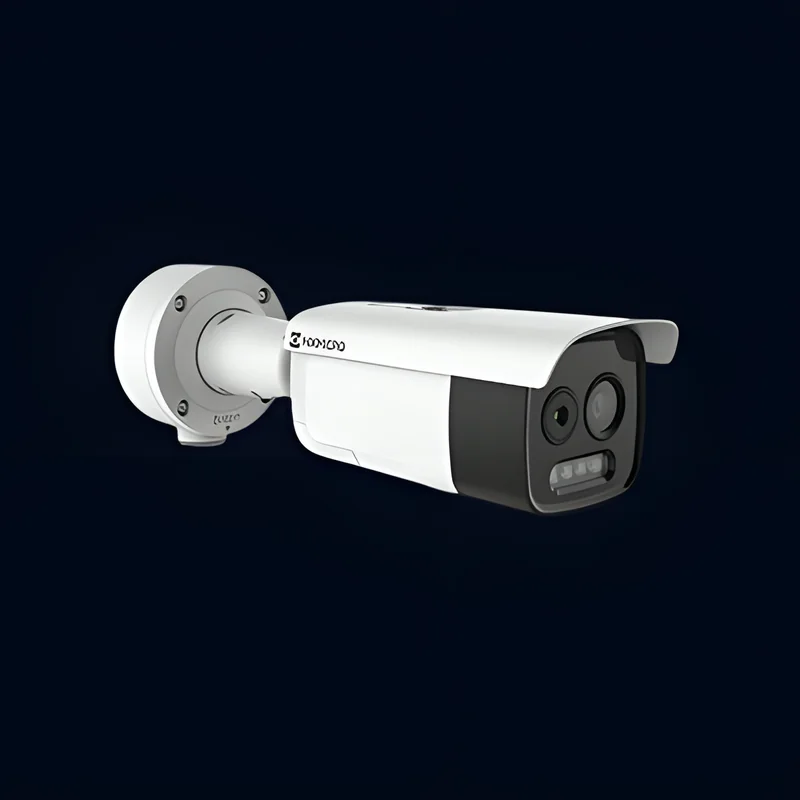
Fixed bi-spectral thermal
Thermal sensor and visible optics in one body, with on-board analytics, alarm inputs and outputs and outdoor-rated protection. The exact model is closed in the technical proposal for each site.
-
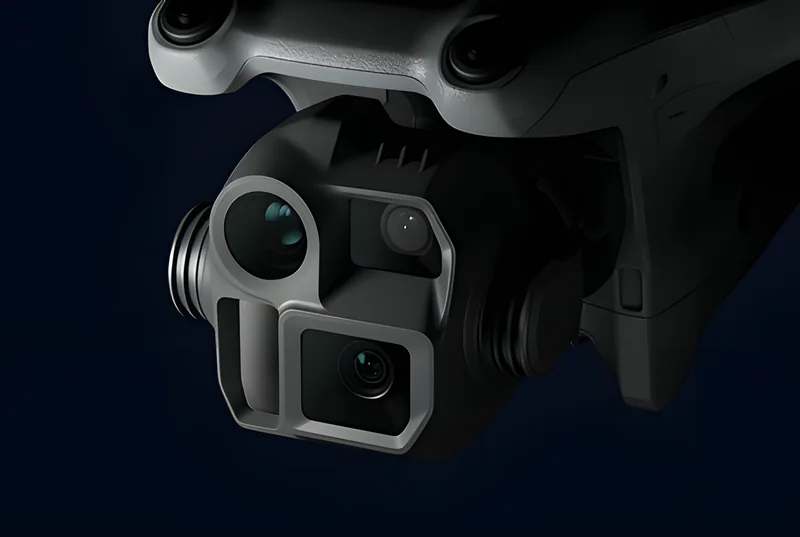
Airborne multisensor head
Visible optics, telephoto and thermal sensor in one head. The rangefinder places the observed point on the map.
-
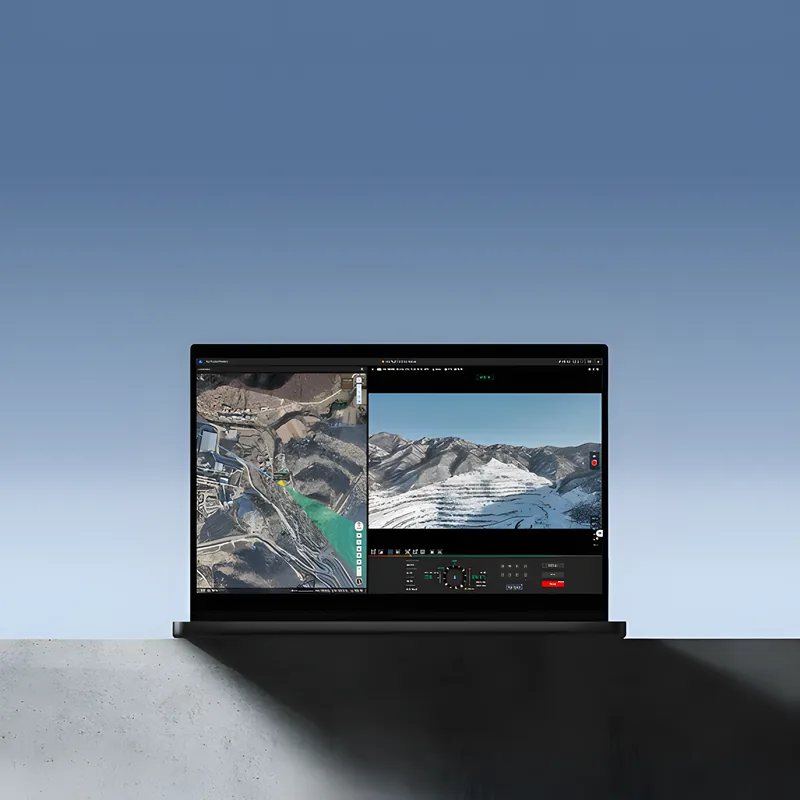
Indoor air quality
CO₂, temperature and humidity measured in interior spaces. The alert triggers an environmental or ventilation action; on its own it does not order a launch.


Three ways to contract it
-
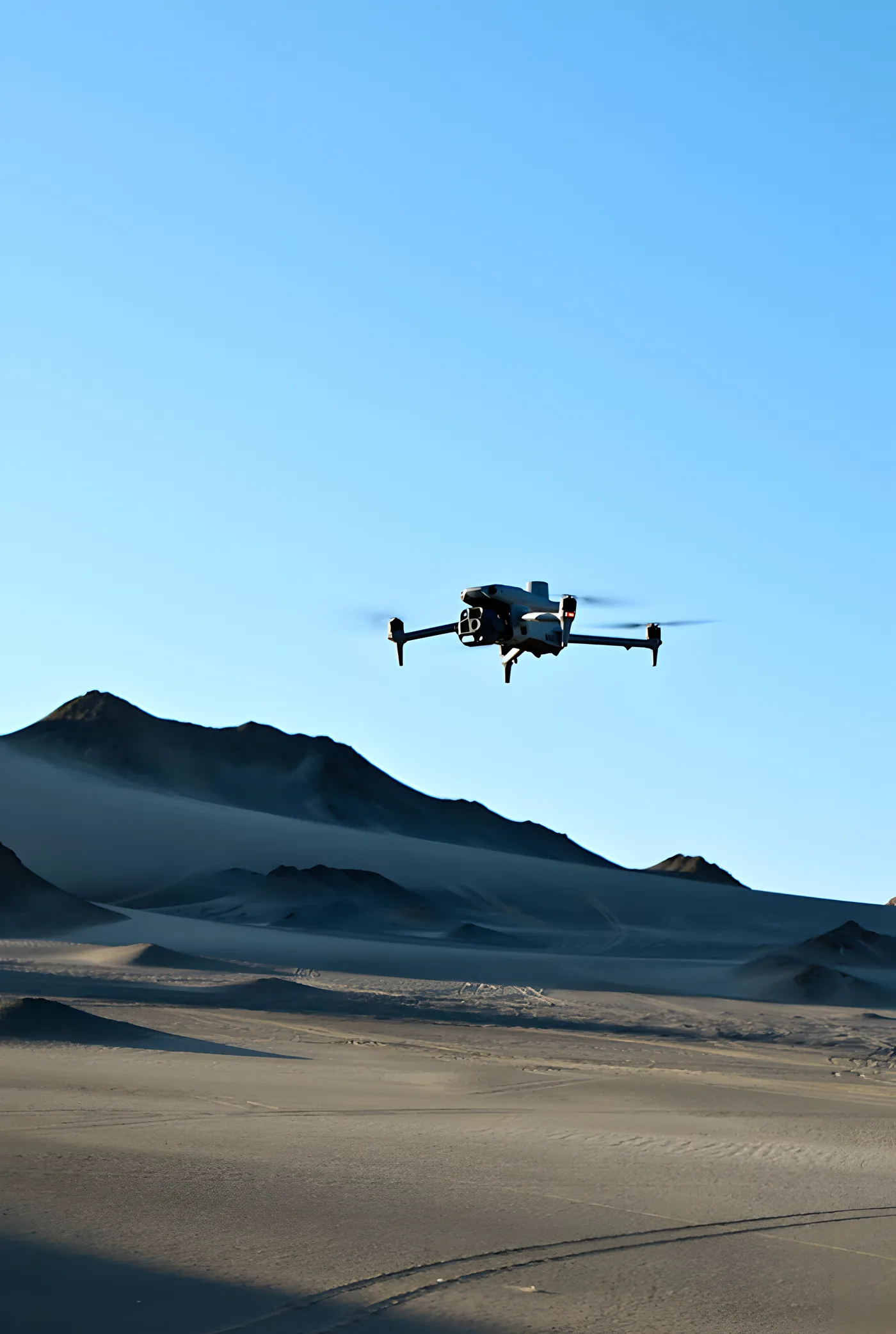
Mobile response
Aircraft and remote controller operated by a pilot. Alarm zones integrated, visible and thermal imaging, incident manual and initial training. The service runs under control-centre intervention.
-

Perimeter from base
Fixed base and programmed missions. Event dispatch, routes, live video, supervision, recharging and maintenance. Coverage and availability agreed per location.
-
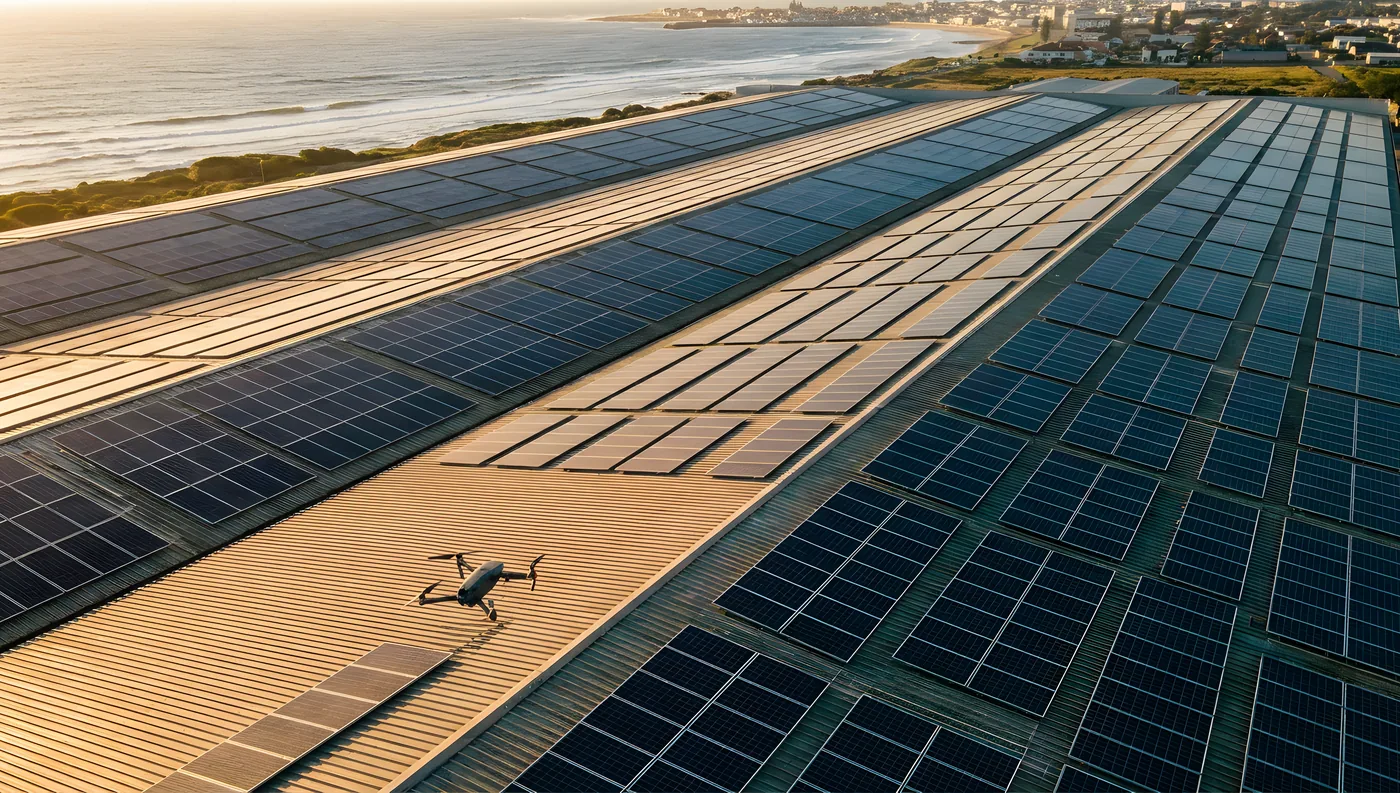
Asset inspection
High-capacity or mapping platform, per mission. Thermal inspection, asset documentation and georeferenced deliverables. Payloads and processing defined in the technical proposal.


Contracting model: installation and commissioning, a supervision and maintenance fee, and flight services by volume. Individual quotation with prices, lead time and scope closed per site.
Rollout and service commitment
Supervised automated service. Target times and availability are measured during the pilot and stated in the contractual offer. The remote base and the aircraft operate only within the plan authorised for each site.
The final offer documents operator number, pilots, insurance, private security authorisation, equipment and the operational scope of the contract. Surveillance flights require the corresponding authorisation or operational declaration.
- 01 Physical audit of perimeter and alarms
- 02 Design of routes, geofences, control centre and link
- 03 Airspace analysis, privacy and permits
- 04 Tests for false alarm, night, weather and link loss
- 05 Commissioning, training and maintenance
Flight, thermal vision and deployment
Service equipment. Platforms and sensor heads are selected by range, real endurance, payload and airspace, and confirmed in the technical proposal for each site.
0115


Next step
Security audit and technical proposal
The technical visit inspects access, perimeter, network, power and lighting. The baseline report delivers the main risks and a proposed architecture.
Fixed quotation per site, with prices, lead time and scope